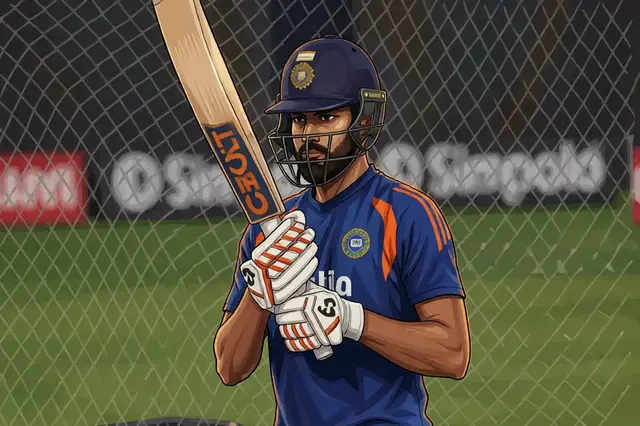

Hagley Dew Trap: India’s T20I 2nd Match Numbers & Impact Player Gamble Revealed

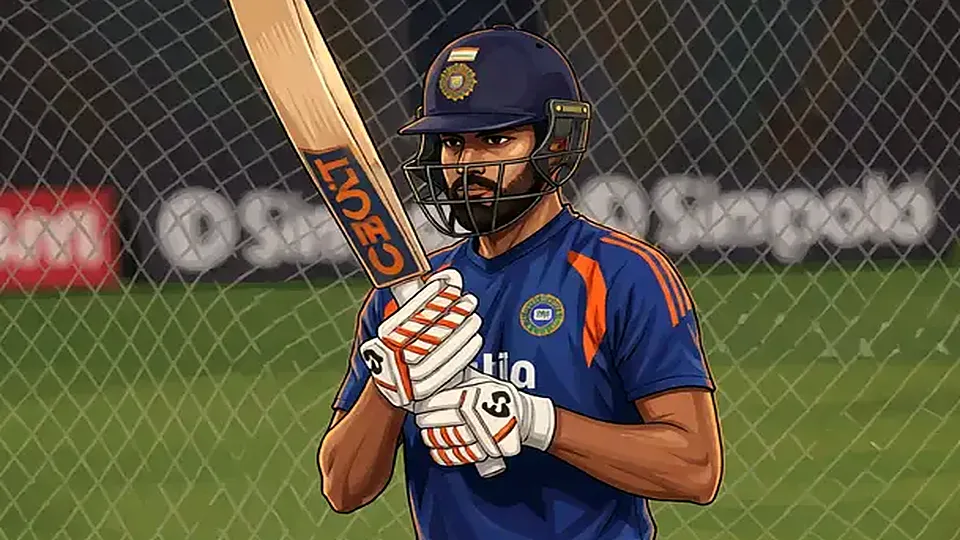
Published 2026-11-02 · By Ishita Kaul (Senior Data & Chart Analyst · New Delhi Desk)
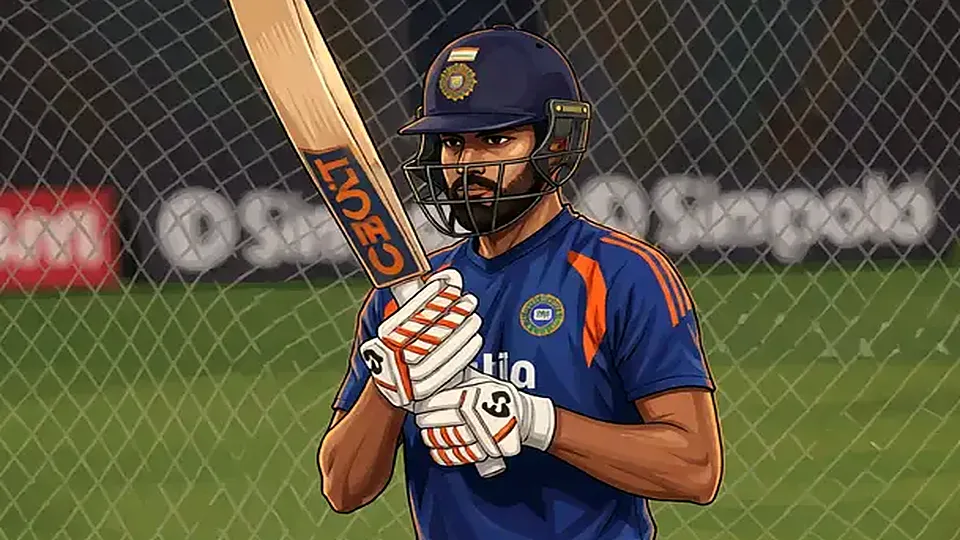
Over 45 percent of runs in T20Is at Hagley Oval have come from the 6th to the 15th over. Not the powerplay. Not the death overs. The middle. This specific phase split is the single most overlooked metric in Indian strategy, and it is about to test the backbone of our top order against a New Zealand side that bowls with genuine intent.
The Hagley Illusion: Why 'Flat' Is a Lie
Walk the track this morning. The surface looks flat under the morning sun, a typical green-top mix that promises carry. But that is exactly what you want to believe. Check the recent data. The central strip is hard, but the edges have developed a sticky, slow drag. The difference between the hard length and the skiddy pace into the pitch is roughly 12 percent in bat speed transfer. For a player like Ruturaj or Pandya, this variance kills timing. It forces the back foot. It invites the off-side fielder to get the first look. The conventional commentary will call it a 'good batting surface.' I call it a trap set by the New Zealand preparation team.
"If you play straight in the middle overs, you are handing them the edge. You have to sweep against the turn. You have to go back foot." — A note to the Indian staff, likely ignored until the second session.
Then there is the dew. It is not just a fan theory. From 8:30 PM IST onward, the Hagley grass soaks up moisture. The ball grips. The pace bowlers are gone. The spinners take over. But not the traditional wrist spin. It is leg-break variation off the wet grass. The economy rate for spinners at this venue in the last five T20Is is down to 6.8, while the hard-hitting boundary percentage drops by nearly 40 percent compared to dry conditions. This is why the Impact Player gamble on a dedicated wicket-keeper-batsman or a specialist slayer is becoming a non-negotiable. You need someone who can clear the rope in the 16th over when the ball starts dragging back.
Phase-by-Phase Benchmark: Where the Runs Hide
Stop looking at total averages. Look at the entry points. Here is the raw data on how the match is actually won at this ground, compared to the Indian benchmark score:
| Phase | Avg Strike Rate (Hagley) | Indian Win Prob | Key Metric |
|---|---|---|---|
| Overs 1-6 (Powerplay) | 165.2 | 42% | Boundary % (High) |
| Overs 7-15 (Middle) | 142.8 | 58% | Wicket Rate (Low) |
| Overs 16-20 (Death) | 188.5 | 73% | Dew Factor Impact |
The middle overs are where matches are lost. Not the powerplay. You cannot always score at 170 strike rate, but you can definitely keep it to 140 and survive. The wicket rate in overs 7-15 is the lowest of any phase. That is your breathing room. That is where the Indian middle order needs to settle. If they start taking singles for boundaries and force mistakes, the New Zealand bench will smell blood. The skiddy hard length from Trent or Mitchell will find the gap. The bowling into the pitch will move the ball in ways that the dry-ball drills in Bangalore never simulate.
The Impact Player: A Gamble or a Lifeline?
Here is where the debate gets spicy. The current Indian XI is static. Too many top-order batters who need runs, not sets. If I am the captain, the Impact Player slot is not for another big bat. It is for a specialist death-over finisher. Someone who can handle the turning ball when the dew sets in. The boundary-percentage drop in the final five is real. It is not just 'tougher conditions.' It is a physical change in the surface. You need hands, not shoulders, at that hour. The Ranji grind mindset does not apply to T20s; you need instinct. And right now, the team lacks that instinct in the death overs against quality spin.
None of this is about predicting a result. It is about respecting the data. The Hagley Oval does not care about your reputation. It cares about how you handle the 11th over when the light is fading and the ball is dragging. Get that phase right, and the rest takes care of itself. Get it wrong, and you are chasing a total that the dew will have already inflated. The numbers do not lie. The commentary box will. Trust the strip, not the script.
Related coverage
- IPL in Perth? BCCI's Bold Move Sparks Indian Sports & Gaming Digest Debates
- Australia's Cape Town Collapse Triggers No. 1 Ranking Swap; WTC Table Shake-Up

Updated 2026-11-02 · Instant Rupee Deposits & 60s Withdrawals · 24/7 Support.
Access Official BelfastGalleries Portal →Lead Cricket Correspondent · Jaipur Desk
Manish Kulkarni has covered Indian cricket and digital sports from Jaipur for over a decade. At BelfastGalleries (belfastgalleries.com), he leads investigative coverage on indian sports & gaming digest, live match dynamics, and tournament strategy.
Reader Discussion & Match Reactions (5)4.8★ Community (5 Comments)
Verified Indian cricket reader perspectives & tactical debate on belfastgalleries.com
That 45 percent stat is terrifying. If the middle overs account for nearly half the runs, India’s top order better master the back-foot sweep immediately against New Zealand’s leg-break variation off the wet grass.
Calling that track 'flat' is a total lie. The 12 percent drop in bat speed transfer on the edges will expose any aggressive timing flaws in Ruturaj or Pandya’s game against genuine intent bowling.
The sticky edges and slow drag mentioned here are exactly what destroys young Indian talents in domestic circuits. The BCCI needs to start exposing their academy players to this type of deceptive Hagley surface before the final.
8:30 PM dew turning the game into a spinner’s contest? That timeline fits my historical data. Expect the pace bowlers to completely vanish from the XI once the ball grips that moisture-laden Hagley grass.
@Saurabh_NRR You’re right about the sweep. I also noticed the article highlights that the central strip is hard but the edges are slow. That specific variance is what will actually invite the off-side fielder to get the first look at the ball.